
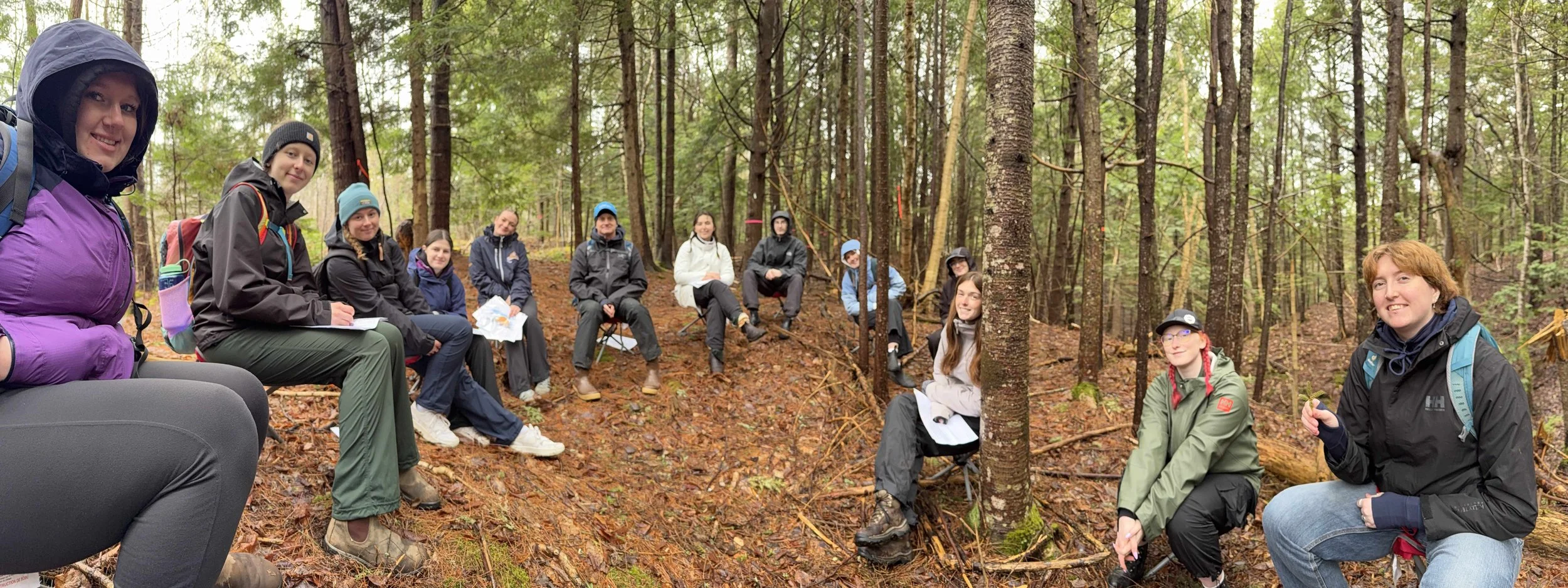
“In an era where travel has become more than a leisurely pursuit, regenerative tourism emerges as a transformative approach that goes beyond visiting places to nurturing them. It’s a paradigm shift that seeks to heal and restore damaged systems, both natural and social. At its core, regenerative tourism strives for more than just economic gains; it aims to deepen the connections between people and nature, fostering resilience and delivering meaningful, transformative experiences.” - Synergy Enterprises, Victoria, B.C.
Understanding Regenerative Tourism
Regenerative tourism is a holistic approach that celebrates the principles of learning, adapting, and deepening connections. This approach encompasses:
Scale of place: understanding and working within the context of a specific environment.
Living ecosystem: viewing a place as a dynamic, interconnected ecosystem.
Cultivating relationships: nurturing a web of connections and interdependencies.
Valuing contributions: inviting and honoring the contributions of individuals.
Stewardship and co-creation: practicing responsible stewardship and collaborative creation.
- Synergy Enterprises, Victoria, B.C.
As a Nova Scotia tour operator and experiential tourism coach, Earth Rhythms has been operating with a regenerative approach for over 30 years. From the way we design experiences to be small group encounters in natural settings, to cultivating relationships with community producers to provide local foods, to honouring the contributions of the many hosts we partner with to deliver our experiences.
The following are some examples of how we live, practice, and can offer suggestions regarding responsible and regenerative tourism throughout our various experiences, events, and community development services:
All experiences that we create feature local food producers, chefs, and often involve organic farm produce.
We try to manage our events and experiences in as close to zero waste as possible. This means leaving out packaging, single use plastics, and using washable items. Learn more about Zero Waste. and how to manage zero waste events.
Our supply relationships feature local businesses, storytellers, artists, and experience partners. We pay them well for their experiences. They represent the wisdom of our community, and we value that.
When creating community tourism events, workshops, or providing consultant expertise to tourism projects, we offer advice and techniques for reducing the waste stream, building in renewable energy, and using infrastructure as opportunities for community programming.
1% of our net sales is dedicated to supporting a variety of community projects, biodiversity protection, and ecological research. Throughout the year, we support Black Lives Matter projects, Indigenous projects, donate to the Nature Trust, assist homeless families, provide food to families in need, and support multiple community projects in and around the Annapolis Valley.
We have designed and live in an energy efficient Passive House which is our headquarters for the Earth Rhythms office and Sue Davar Pottery. It has a Canadian EnerGuide rating of 90, which is an extremely high rating. This translates into little energy used, and even better, a very low monthly electricity bill.
The forest that we were fortunate to purchase many years ago is an old growth restoration Wabanaki forest. With the support of the Nova Scotia Working Woodlands Trust, we have now legally protected this forest in perpetuity as a community easement dedicated to conservation. Several species at risk are protected here, along with eastern hemlocks, white pines and yellow birch that are almost as old as Canada.
We have joined thousands of companies worldwide who incorporate triple bottom line accounting into our annual operations.
Our approach to tourism, after 30 years of developing our approach, is the following…”Tourism is a relationship in which host communities and businesses invite travellers to come to their destination. In doing so, we ask travellers to travel responsibly with a low footprint and with respect to the people and places they are visiting. We offer opportunities to connect guests to special places and people, whom we feel have stories to share about this area. We invite guests to take part in these experiences, eat local foods, and take back memories and memory-keepers made by local makers. We hope that the experiences we provide are transformative (meaning that guests’s personal Ahah’s and moments of learning may help them see the world, our ecology, our climate, and our traditions as something new and personally relevant and meaningful). When travellers return home, we hope that they will share their memories with friends, family members, and business colleagues, helping them to understand what was personally meaningful for them.”
- Celes Davar, Host, Guide, Chief Experience Officer. Earth Rhythms
Stream in the protected forest named Ksu’skue’kati (Place of the Hemlocks). This is an old growth restoration Wabanaki forest.
Benefits Of A Regenerative Approach
“Embracing a regenerative approach in tourism redefines the benefits landscape: operators, committed to achieving net-zero goals, become pioneers in sustainable practices, ensuring minimal environmental impact while maintaining high-quality experiences. Every traveler becomes a force for positive change, contributing to local communities and ecological restoration. Tourism supports and actively enhances natural systems, safeguarding biodiversity and preserving delicate ecosystems. This positive impact extends to residents, fostering economic growth and creating a more vibrant local economy. This approach values and amplifies indigenous cultures, celebrating their richness, nurturing respect, and preserving traditions for a more interconnected world.” - Synergy Enterprises, Victoria, B.C.